
Read the fine print: Artemis III is now a low Earth orbit test, and NASA will explain the plan on Oct. 23
NASA's latest advisory describes Artemis III as a four-astronaut mission to low Earth orbit next year, with the Moon landing goal set for 2028. Leadership briefs on Oct. 23.
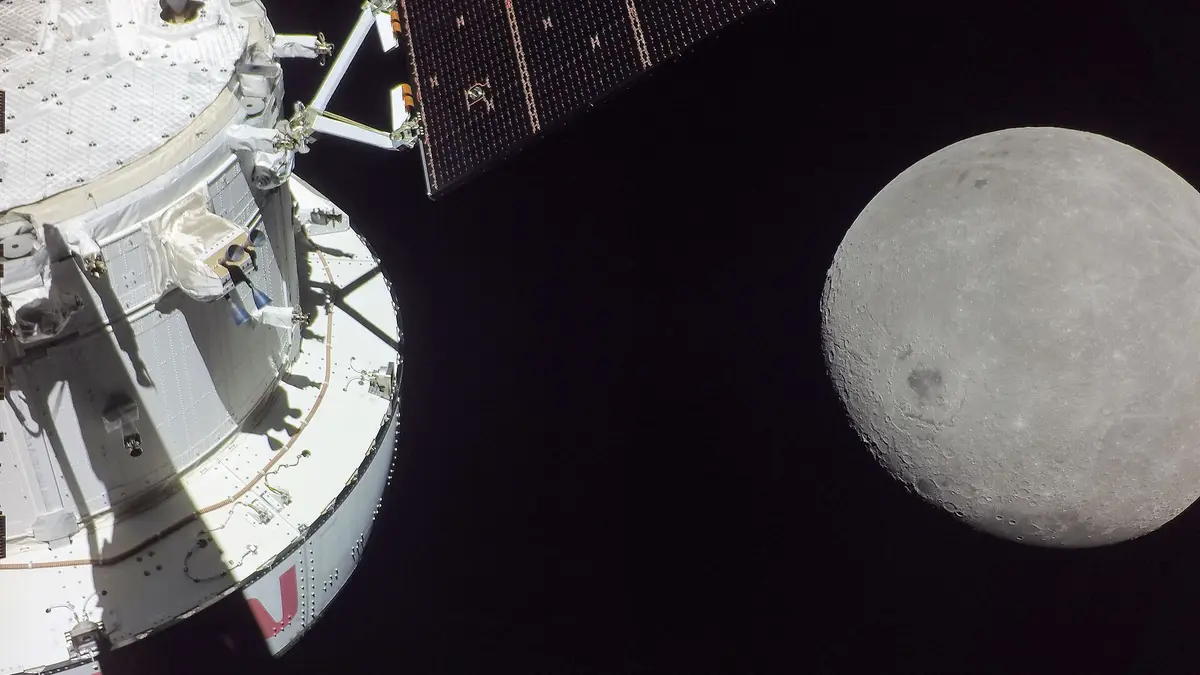
NASA has scheduled a public update on its plan to return American astronauts to the surface of the Moon by 2028. The briefing is set for 2 p.m. EDT (20:00 CEST) on Friday, October 23, 2026, at Kennedy Space Center in Florida, and will stream on NASA's live channels.
The advisory, published October 14, is short, but one line stands out for anyone who has followed Artemis for years: it describes Artemis III as the mission "that will send four astronauts to low Earth orbit next year to test critical systems needed for future lunar landings."
Who is speaking
According to NASA, the participants are:
- NASA Administrator Jared Isaacman
- NASA Associate Administrator Amit Kshatriya
- Jeremy Parsons, NASA's Artemis program manager
The update will cover Artemis III and how plans to return American astronauts to the Moon by 2028 are progressing.
What changed
Artemis III was long presented as the mission that would put astronauts back on the lunar surface. NASA's current wording frames it differently: a crewed flight that stays in low Earth orbit and tests the systems a landing will need. The landing itself is described as the 2028 goal.
The advisory does not announce a new policy decision or launch date by itself; it is a preview of the briefing. It also does not name an Artemis III crew. Details about how "acceleration" works in practice, what hardware flies, in what order and on what schedule, are what reporters will be looking for on October 23.
Why it matters for the industry
Testing in Earth orbit first is a classic risk-reduction step: systems such as rendezvous, docking and life support can be checked close to home before a crew commits to a lunar descent. It also changes the near-term picture for contractors whose hardware is tied to the landing architecture, including the commercial lunar landers being developed for NASA.
For investors and suppliers, the questions for the briefing are concrete:
- Schedule. Does the 2028 landing goal hold, and which mission carries it?
- Hardware. Which vehicles are needed for the Earth-orbit test, and which only for the landing?
- Sequencing. How does NASA plan to speed up the cadence of missions after Artemis III?
How to watch
The briefing begins at 2 p.m. EDT on October 23 at Kennedy and will be carried on NASA's live video page. Space Cyborg will cover the key takeaways in The Cyborg Briefing newsletter.